
The New Way Retailers Are Deploying Their Capital in 2026
Why reactive repairs and broad-brush planning are no longer enough for retailers trying to reduce downtime and spend with confidence

If retail leaders had a crystal ball, capital planning would be easy. Every dollar would go exactly where it was needed... before assets failed, before stores disappointed customers, and before margin got quietly chipped away by bad timing and bad visibility.
But that’s the problem a lot of our clients are facing in 2026. It’s not that retailers are underspending on their stores. It’s that too many are still deciding where to spend using incomplete data, fragmented systems, and a lot more guesswork than anyone wants to admit.
Reactive spending is costing more than most retailers realize

Most retailers know the reactive cycle well. Something breaks. A store escalates. A ticket gets opened. A vendor gets dispatched. Money gets spent because there is no other choice.
The problem is that reactive spending doesn’t just cost more in the moment. It drains time, distracts teams, inflates emergency costs, and keeps leadership trapped in short-term decision-making.
As Lynelle Grimes, an Apex Director of Business Development, put it, “Every emergency repair is a tax on your team’s future strategy.”
That tax adds up quickly. In our experience, reactive repairs can cost 25% to 30% more. When downtime, lost sales, and inflated emergency costs are spread across a 100-store portfolio, they can easily amount to $2 million to $3 million in margin erosion per year.
And the risk is bigger than repair costs alone. Evelyn Zuniga, Director of Business Development at Apex, said it best: “Your brand is a promise, but the store is the proof.” When the physical environment falls short, the customer experience suffers... and the brand pays for it.
Proactive spending is better... but still misses the mark

Stale data doesn’t reflect what is actually happening at the store level.
To be fair, many retailers have already evolved beyond pure break-fix thinking. They have replacement cycles. They have annual planning. They are trying to stay ahead instead of constantly playing defense.
That is progress.
But proactive spending still has a weakness. It often relies on broad assumptions, stale data, or generalized schedules that don’t reflect what is actually happening at the store level. So while it may feel more strategic than reactive spending, it can still lead to mistimed investments, unnecessary replacements of equipment that still has life left in it, or missed opportunities hiding in plain sight.
The problem with proactive isn’t effort, it’s visibility.
The truth is, many brands are trying hard. They’ve invested in scans, CMMS systems, smart equipment, and data collection. But today the challenge is not whether data exists. The challenge is knowing what the data is actually telling you to do.
This is the inflection point many retailers are hitting. Every brand has data. The next era belongs to leaders who can turn that data into actionable intelligence... into decisions that are faster, clearer, and more confident.
Predictive spending is where capital starts getting smarter
This is where the next shift is happening.
While reactive spending responds to breakdowns, and proactive spending follows generalized plans, predictive spending helps retailers make targeted capital decisions based on what is actually happening across their portfolio... by asset, by store, and by timing.
Or put another way:
Reactive spending is urgent.
Proactive spending is planned.
Predictive spending is informed.
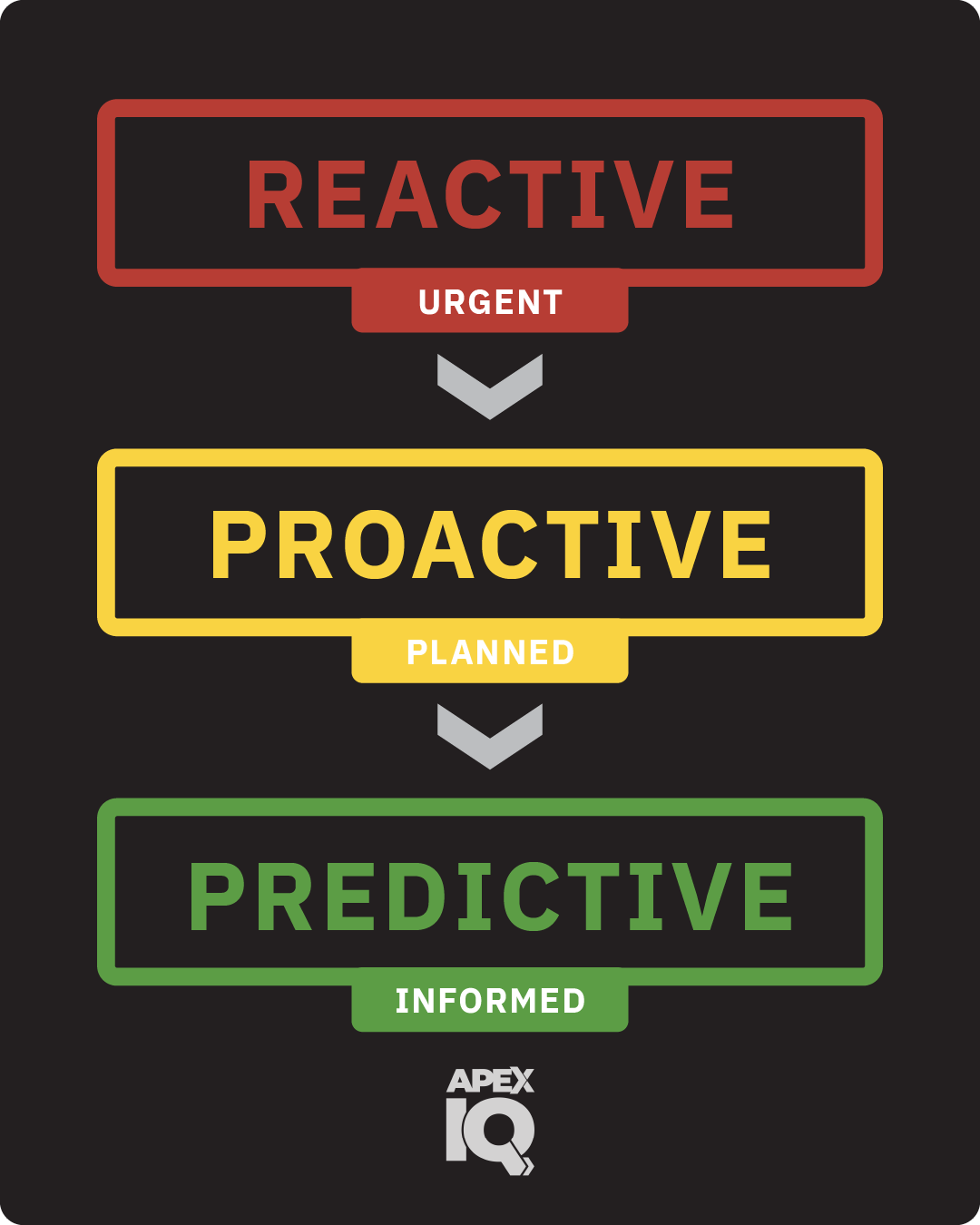
The future of capital planning is not just about looking at one report or one system. It is about combining field surveys, scan data, project history, break-fix data, asset conditions, and real replacement costs into a more complete picture.
That’s exactly why Apex built ApexIQ... a platform designed to turn capital planning data into actionable intelligence, helping teams move from information overload to smarter, faster decisions.
In one example, ApexIQ was used with a nationwide grocer to identify a retailer’s five worst restrooms, explain why they ranked that way, and surface common issues across those locations. Something that would have taken months to determine in the traditional approach was identified and verified in hours.
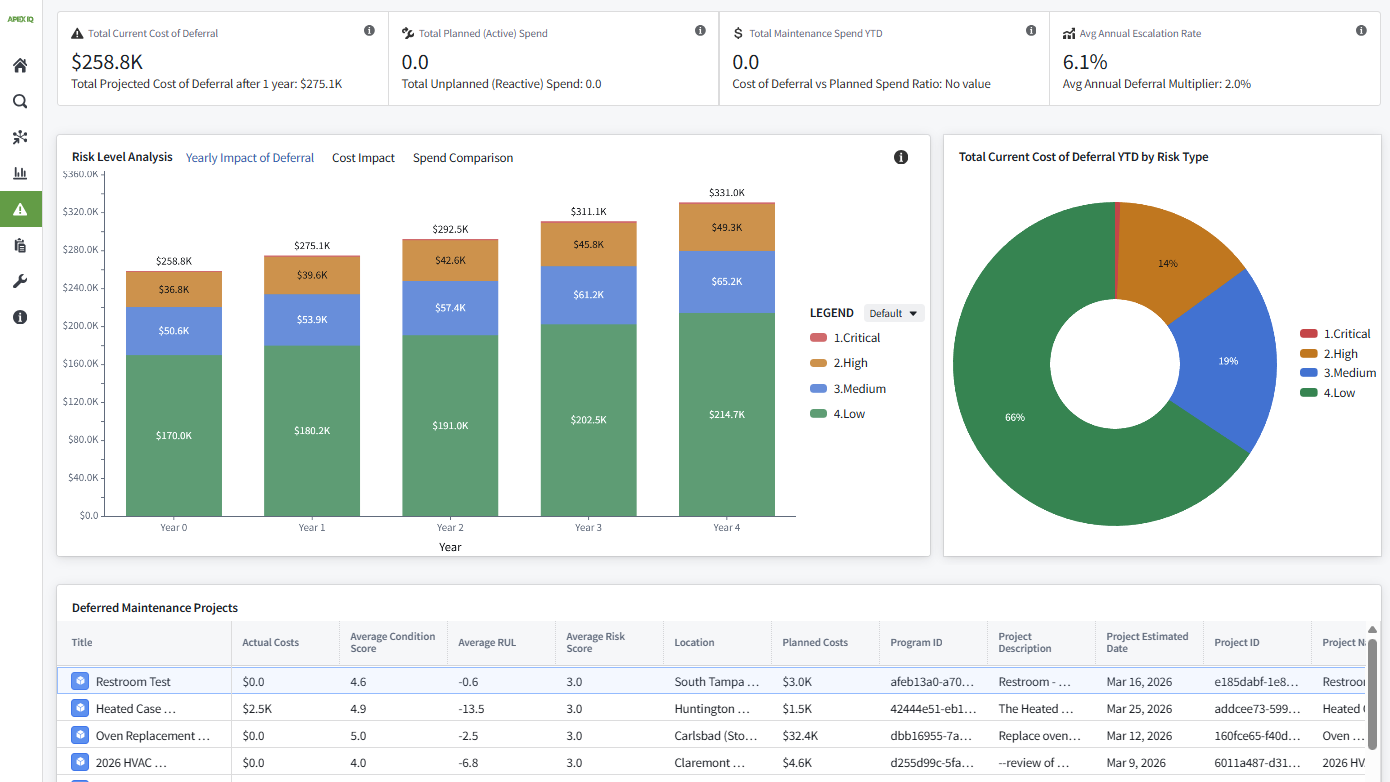
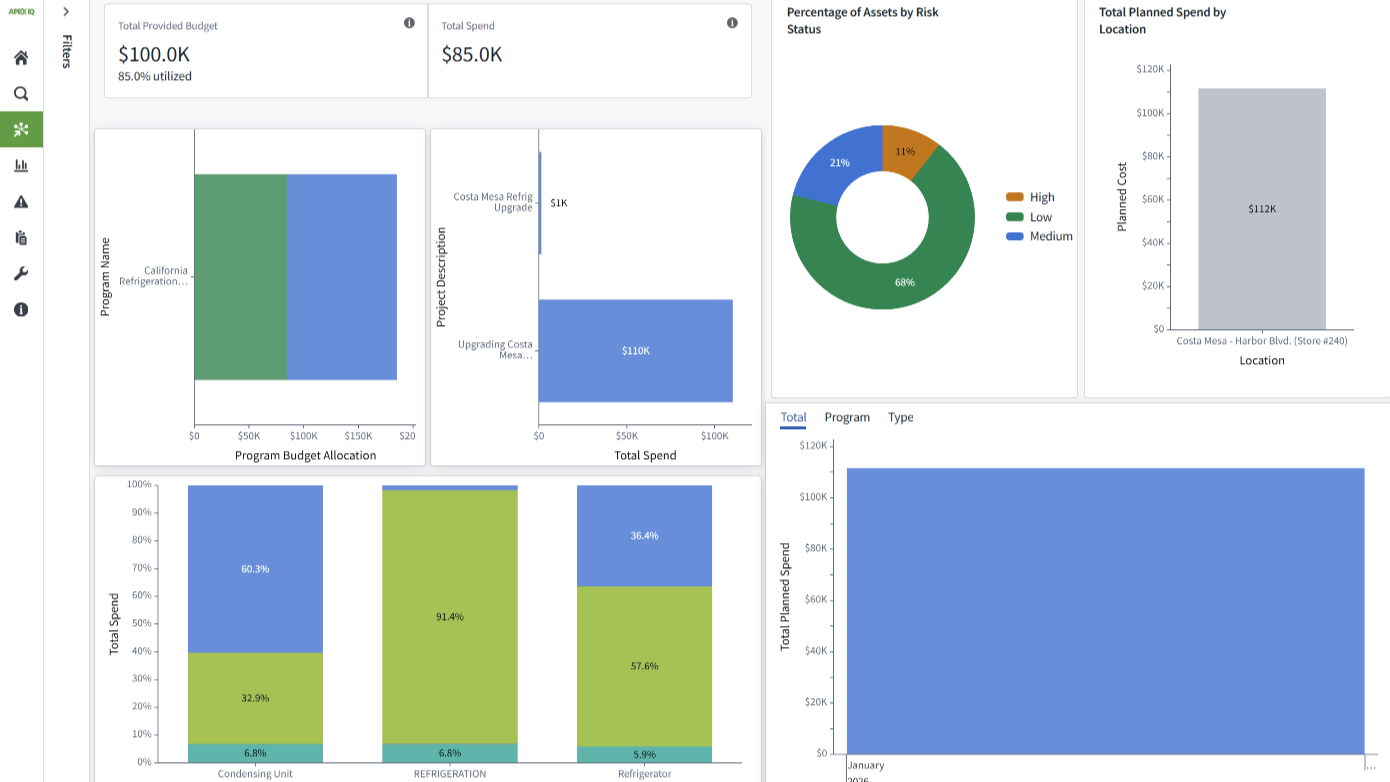
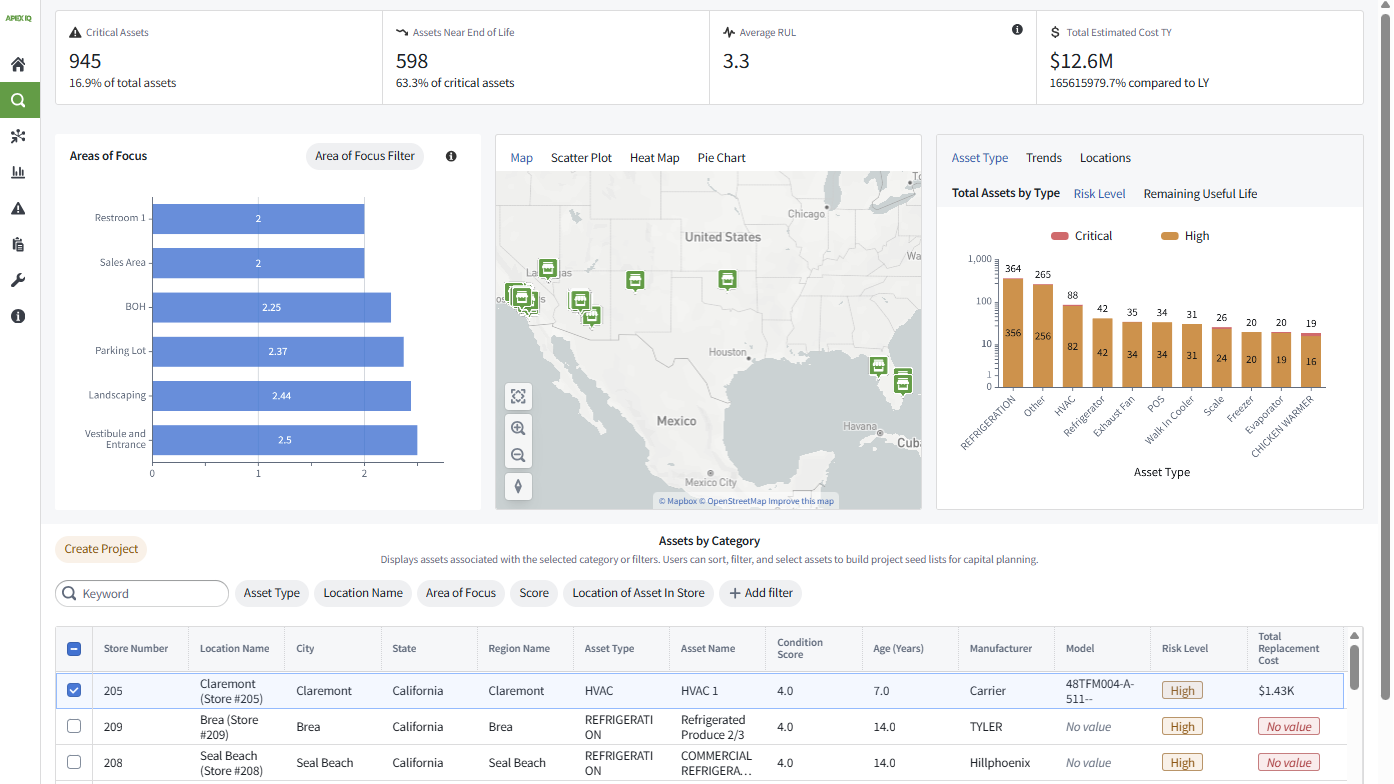
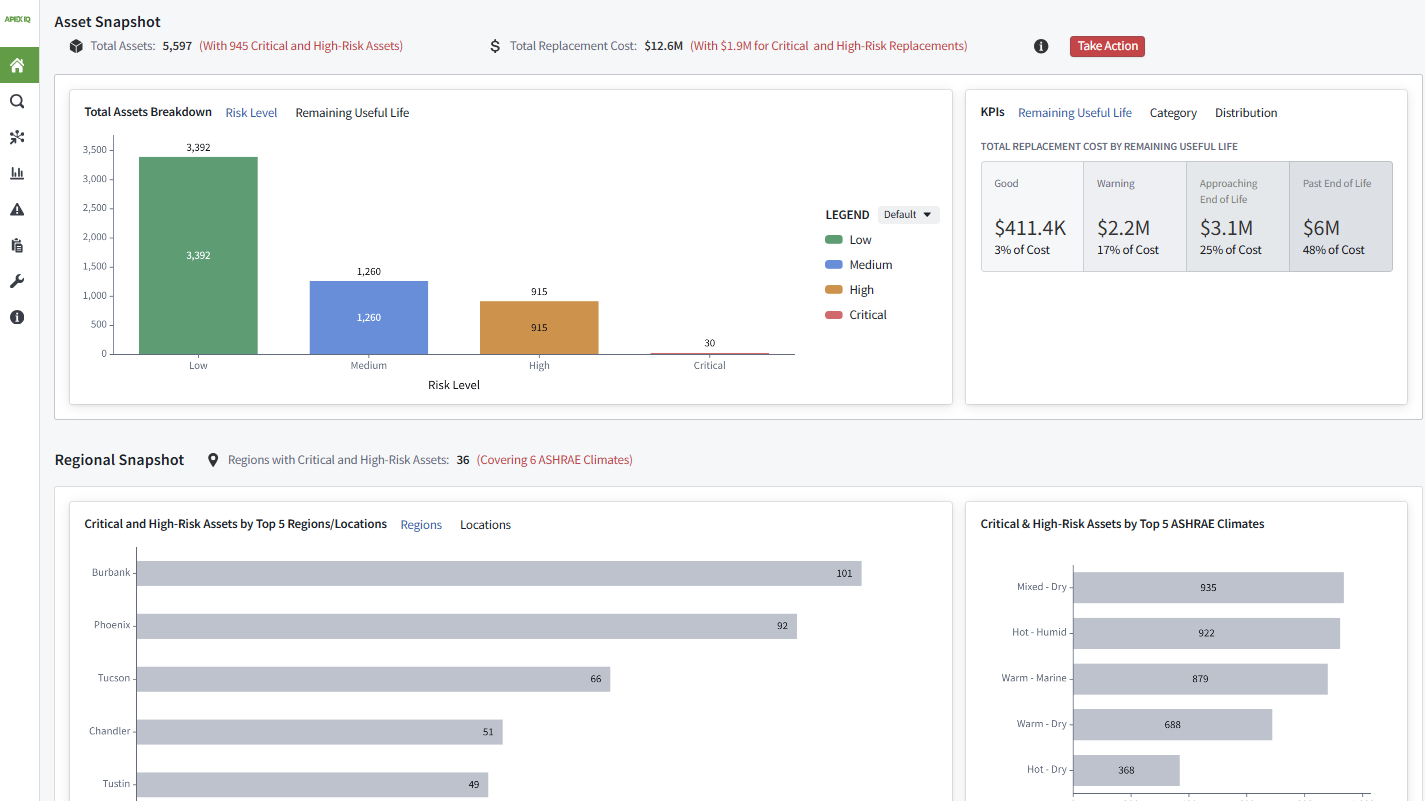
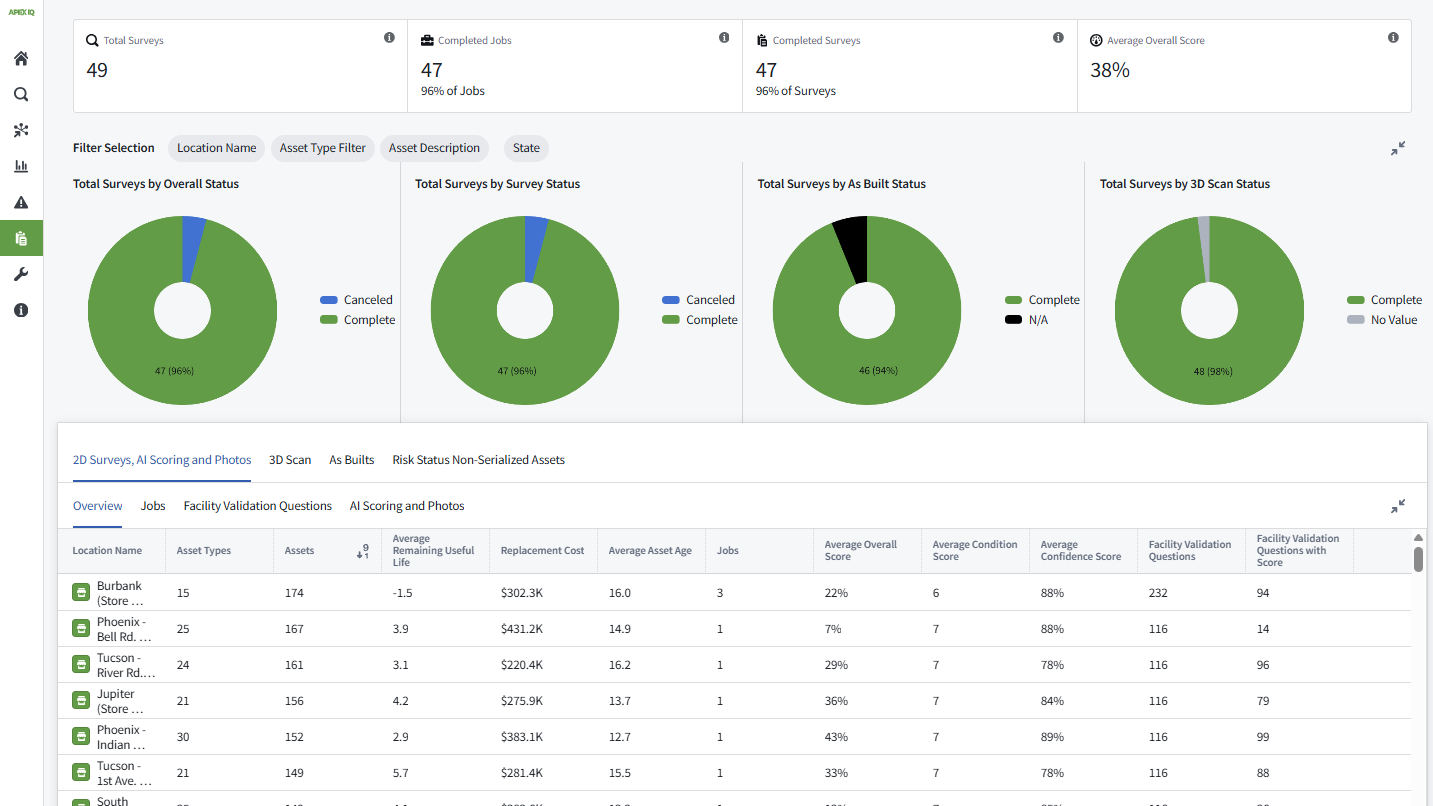
ApexIQ turns capital planning data into actionable intelligence.
Predictive Capital Planning - the closest thing to a crystal ball for retailers
No one can perfectly read the future. But retailers can get a lot closer than they are today.
The brands that win in 2026 will not be the ones that spend the most. They will be the ones who spend the most strategically - on what their stores actually need.
That means moving beyond break-fix. It means moving beyond broad-brush proactive plans. And it means embracing a more predictive approach to capital deployment... one that helps retailers protect margin, reduce disruption, and invest where the impact will actually be felt.
Want to get as close to a crystal ball as possible? Contact Apex for a demo of ApexIQ and how smarter capital intelligence can help your team plan, prioritize, and spend with more confidence.