
Why Most Restaurant Remodel & Rollout Programs Break at Scale
The 3 Strategic Shifts Defining In-Store Experience Programs in 2026
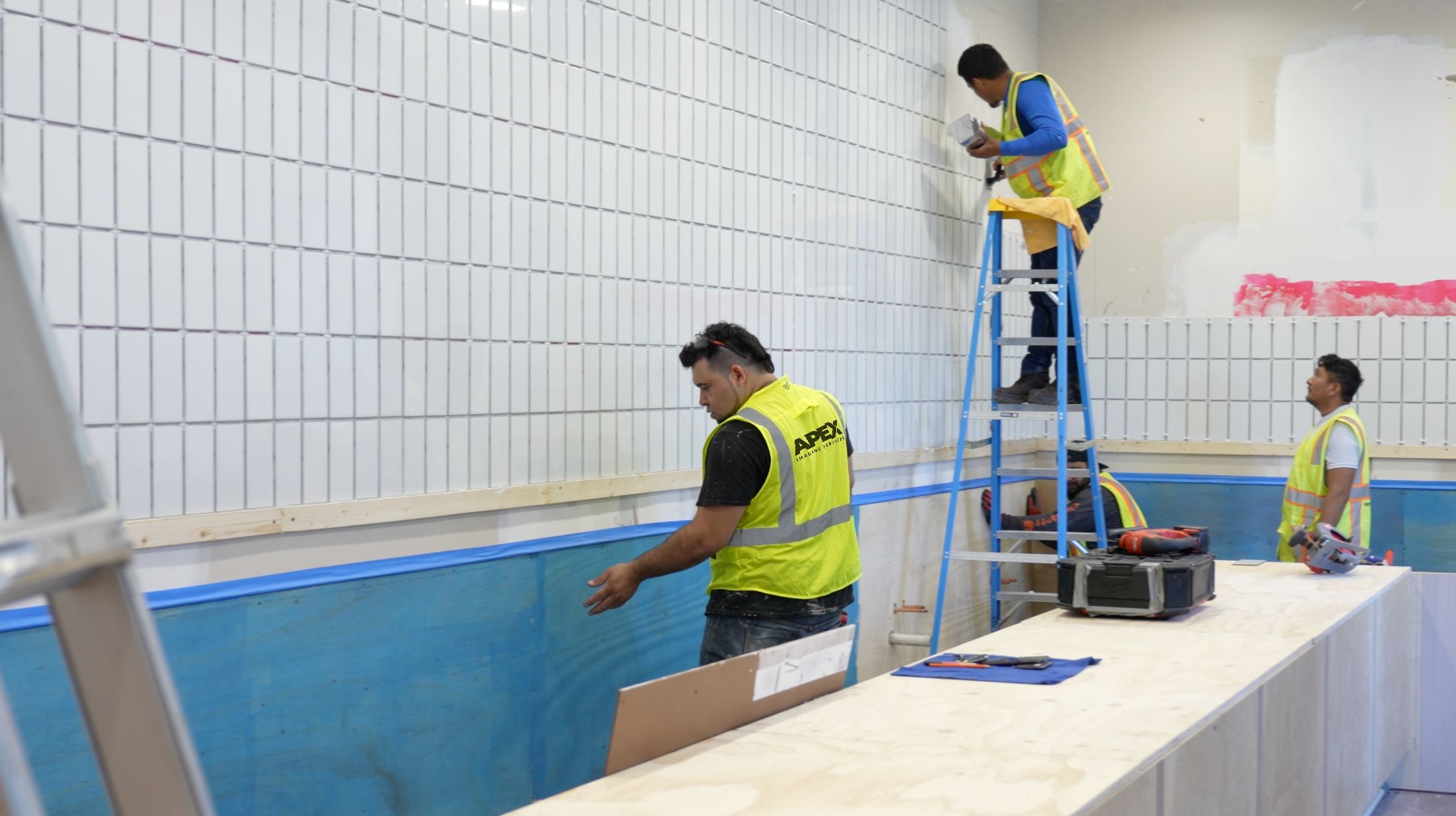
Most restaurant remodel and rollout programs fail quietly and slowly.
Timelines stretch.
Internal teams get buried in coordination.
Vendors blame handoffs.
Leadership spends more time managing execution than leading strategy.
By the time the friction is obvious, capital is already committed.
Which is going to be more important than ever to address with the shift in the multi-site restaurant industry happening right now.
Over the past decade, brands focused heavily on digital ordering, pickup optimization, kitchen reconfiguration, and equipment designed to increase speed and offset labor constraints. Those investments worked. Digital adoption accelerated and operational efficiency improved.
Now, the industry is entering a new phase.
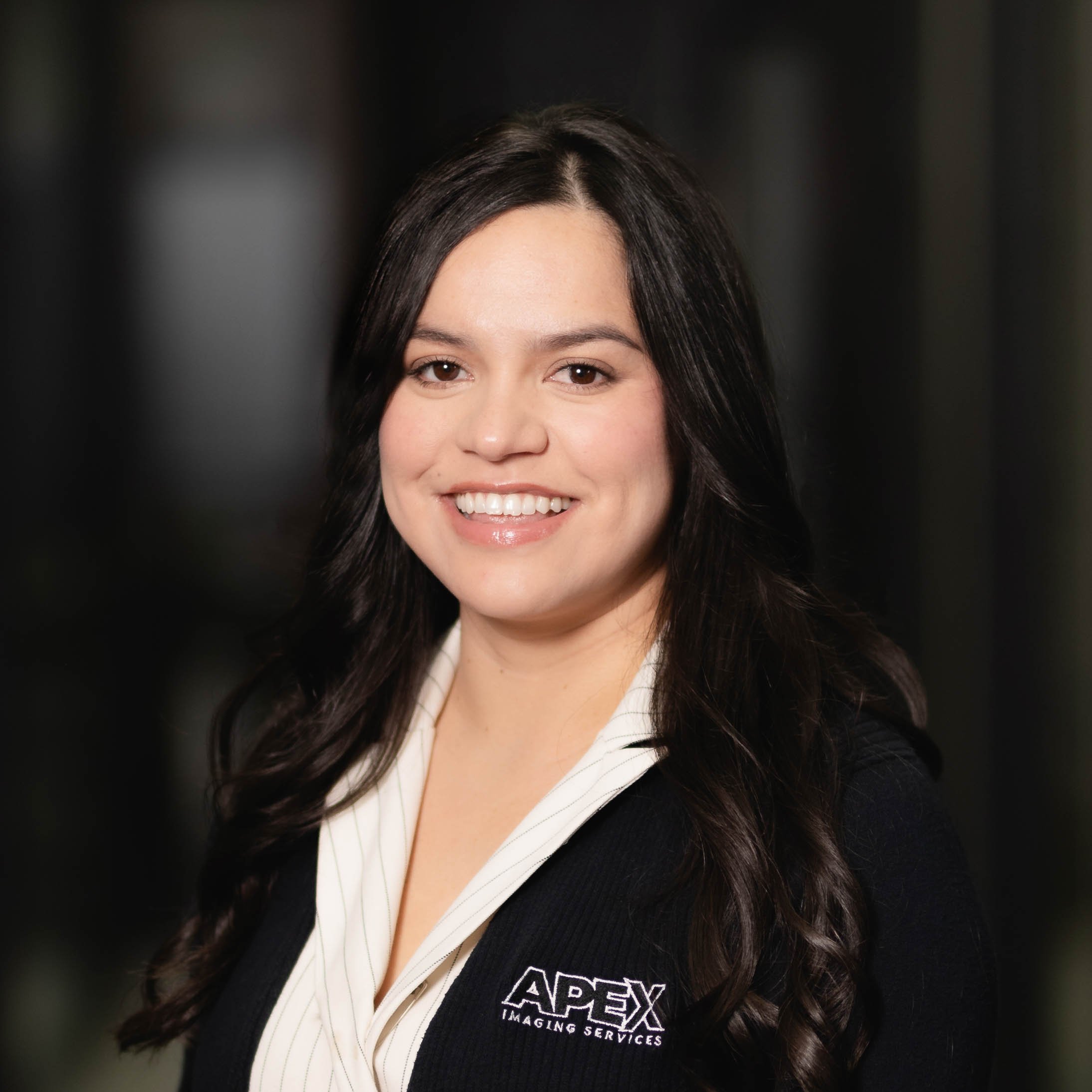
As Evelyn Zuniga, Director of Business Development at Apex Imaging Services, explains,
“Everything was so focused around the digital experience for years. Now that those systems are in place, brands are shifting their attention back to basics and the way customers feel inside the space.”
Dining rooms, cafes, and bars are once again strategic. But in 2026, “experience” no longer means aesthetics alone. It means throughput under peak conditions, labor efficiency in the front of house, durability, and layout decisions that support performance.
And that’s where many programs break. Because what worked at 50 locations rarely works at 500.
Here are the three shifts leading brands are making to execute in-store experience programs without losing control.
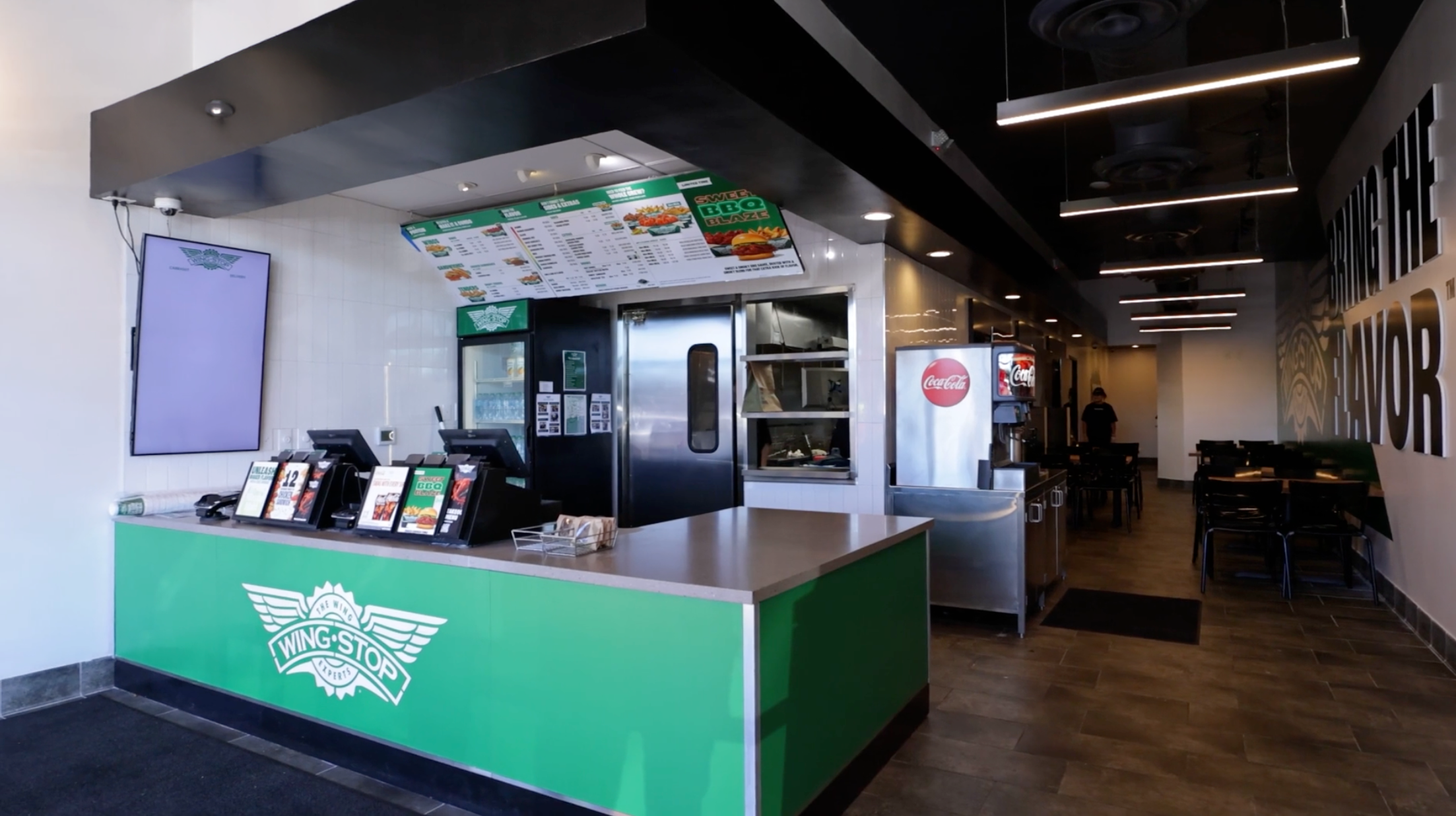
Turnkey program solutions from Wingstop are designed to reduce handoffs and simplify multi-site execution.
1. Replacing Vendor Sprawl With True Turnkey Execution
For decades, multi-site programs followed a familiar construction pattern: design, bid, build, and manage a collection of specialized vendors.
At small scale, it works.
At portfolio scale, it creates drag.
The real cost of fragmented execution isn’t just dollars. It’s decision latency, handoff friction, internal coordination hours, and delayed velocity.
As Corey Hargrave, Director of Business Development at Apex Imaging Services, notes,
“When you’re managing multiple vendors, no one truly owns the full picture. The friction comes from handoffs, not effort.”

Leading brands are addressing this by consolidating planning, logistics, field execution, and reporting under single accountable partners.
Not because it’s easier - because it reduces execution risk.
Turnkey models remove the coordination tax that slows remodel velocity. They align sequencing, compress survey-to-scope timelines, and give leadership a single source of truth across active stores.
Apex was built around this structure. Turnkey delivery is not a service line — it is the operating model through which we execute national restaurant programs every day.
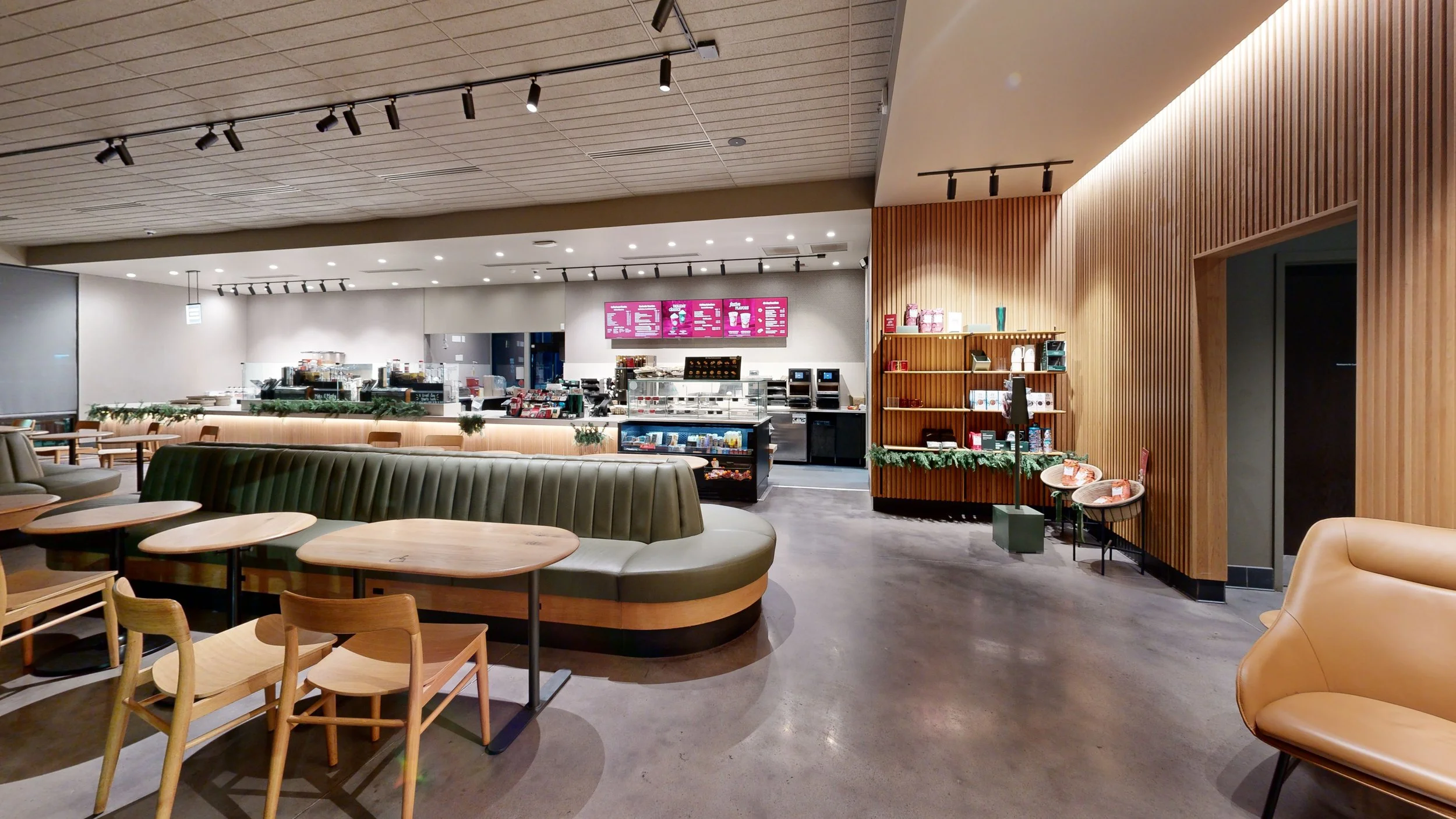
Apex has captured Digital Twins across more than 2,000 Starbucks locations over the past 5 years to support large-scale planning and rollout programs.
2. Making Digital Twins the Foundation… Not a Luxury
Digital twins were once considered premium documentation. In 2026, they are operational infrastructure.
Without accurate, site-level digital data, remodel programs revert to assumptions. Assumptions create change orders. Change orders delay schedules and inflate budgets.
The strongest brands now treat digital twins as a non-negotiable foundation for velocity. These models support layout evaluation, equipment planning, logistics coordination, and market-by-market differentiation.
More importantly, they allow brands to move away from “one-size-fits-all” remodels and toward tiered investment strategies based on store performance and physical conditions.
At Apex, digital twins are continuously integrated into execution and capital planning workflows. They are not static archives. They are live decision and coordination tools.
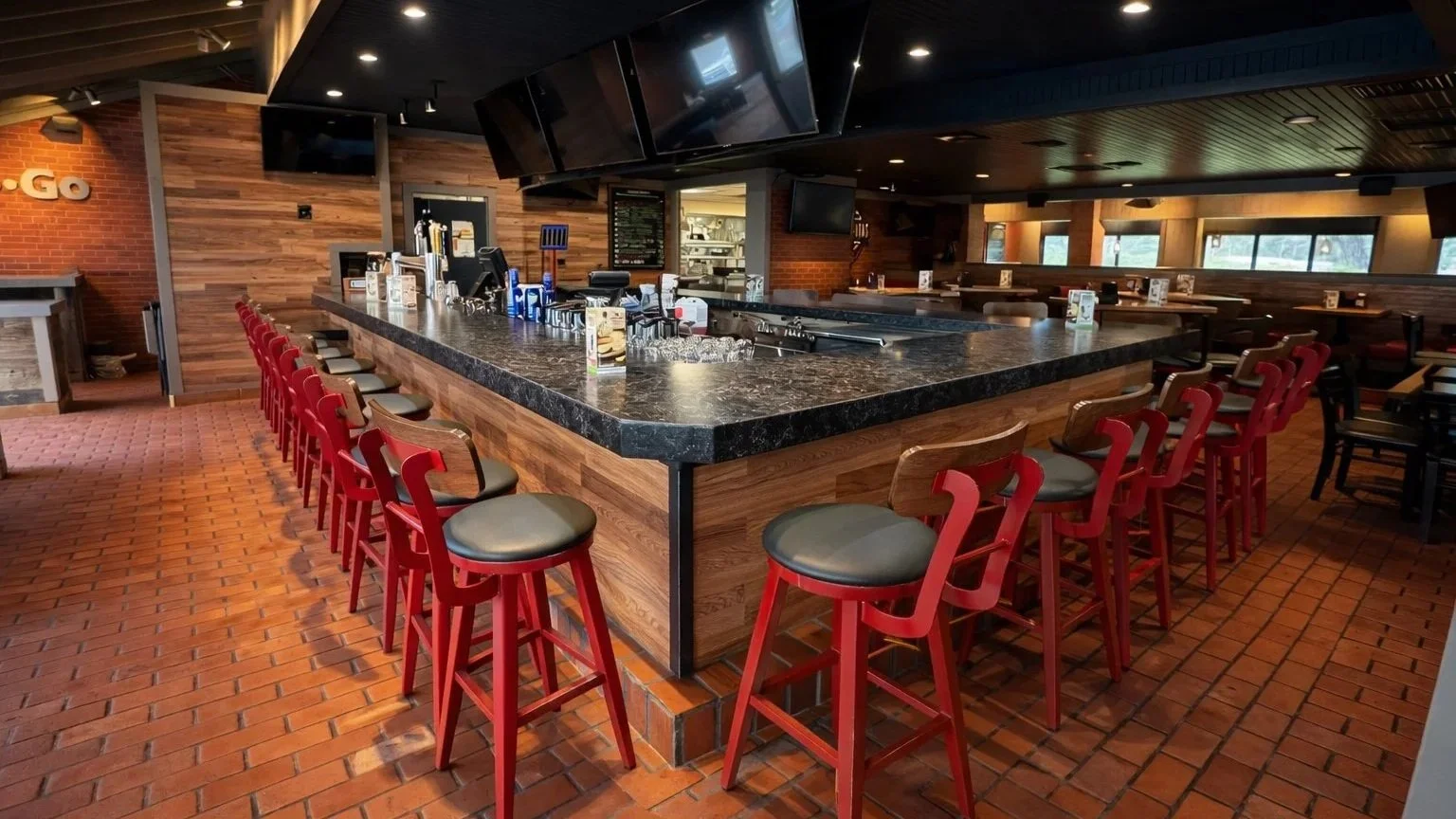
Apex has partnered with Chili’s on its Bar Refresh Program. This supports a more open layout and a return to the familiar, social in-restaurant experience guests know and value.
3. Using AI to Eliminate Guesswork in Capital Planning
Spreadsheet-driven capital planning is becoming a liability.
As portfolios grow and refresh cycles compress from 5–7 years to 12–36 months, intuition and historical averages are no longer sufficient.
Brands need to answer harder questions:
Which stores should be prioritized?
Where will remodel dollars drive measurable return?
How do we segment investment tiers across markets?
How do we reduce risk before committing capital?
This is where ApexIQ changes the equation.
ApexIQ is Apex’s proprietary AI-driven capital planning platform, purpose-built for multi-site restaurant portfolios. By combining digital twins, performance data, and predictive modeling, ApexIQ allows leadership teams to develop defensible, risk-aware capital strategies.
Instead of spreading investment evenly or reacting to visible issues, brands can prioritize based on projected impact and operational performance.
The result is not just smarter spending - it’s confidence and clarity for leaders knowing the right dollars are going to the right places. Which in today’s environment, seems more important than ever.
The New Standard for Restaurant Rollouts
In-store experience programs are accelerating again. But the brands executing most effectively are not simply refreshing aesthetics. They are redesigning how the execution of those programs works.
They are reducing vendor sprawl.
They are grounding decisions in real site data.
They are using AI to bring clarity to capital allocation.
All in the service of structuring programs to protect velocity and control.
If you are planning a multi-site remodel, refresh, or rollout in 2026 and want to reduce execution risk before capital is committed, speak with Apex about how leading restaurant brands are structuring their programs today.